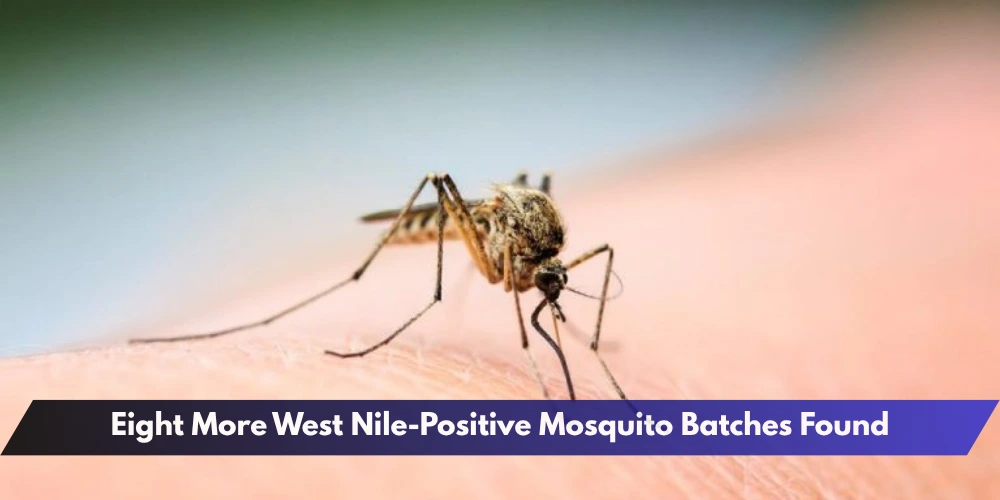
Durham Region health officials are reporting another increase in mosquito activity linked to West Nile virus after eight additional mosquito batches tested positive in Pickering and Whitby.
The latest results bring the total number of Durham West Nile Virus positive mosquito batches to 21 so far this season, marking a significant increase in confirmed mosquito activity across the region.
According to the Durham Region Health Department, the newest positive mosquito batches were collected from mosquito trap sites located in Pickering and Whitby. The eight positive samples represent the largest group of West Nile-positive mosquito batches identified in Durham Region so far this season.
The Health Department conducts mosquito surveillance every week between June and September. Mosquito traps are placed at locations throughout Durham Region, with collected mosquitoes submitted for laboratory testing to determine whether West Nile virus is present.
Earlier in the summer, positive mosquito batches were detected in Ajax and Oshawa. In the first week of August, a mosquito pool in Clarington also tested positive, marking that municipality’s first positive West Nile mosquito batch of the year.
The latest Pickering and Whitby results have now pushed the regional season total to 21 positive batches.
What Residents Should Know About West Nile Virus
West Nile virus is primarily transmitted to humans through the bite of an infected mosquito. Mosquitoes can become infected after feeding on birds carrying the virus.
The virus is not normally spread directly from one person to another or from birds directly to people.
Although Durham Health says the risk of becoming infected remains low, residents are being encouraged to take precautions, particularly as additional positive mosquito batches continue to be detected.
Most people infected with West Nile virus experience either no symptoms or relatively mild illness. When symptoms develop, they can include fever, headache, body aches, nausea, vomiting and a rash affecting areas such as the chest, stomach or back.
More serious symptoms can include muscle weakness, confusion, tremors, numbness, a stiff neck and sudden sensitivity to light.
Symptoms may develop between two and 15 days after being bitten by an infected mosquito.
Durham Residents Encouraged to Prevent Mosquito Bites
Durham Health recommends several measures to reduce the risk of mosquito bites.
Residents should consider wearing shoes, socks, long-sleeved shirts and full-length pants when spending time outdoors, particularly around dusk and dawn when mosquitoes can be especially active.
Light-coloured clothing is also recommended.
People can use insect repellents containing DEET or icaridin on exposed skin according to product directions.
Residents should also regularly inspect their properties and remove standing water that could provide mosquito breeding areas. Water can collect in containers, outdoor equipment and other areas around residential properties.
Window and door screens should also be checked and repaired when necessary to help prevent mosquitoes from entering homes.
Durham Region works to reduce mosquito populations by treating catch basins and other stagnant-water locations with larvicide to limit mosquito breeding.
With positive mosquito batches now identified in multiple Durham communities, including Pickering, Whitby, Ajax, Oshawa and Clarington, residents are encouraged to continue taking precautions against mosquito bites throughout the remaining summer season.